Nvidia hikes Shield TV Pro price by $100 over AI costs
Nvidia has raised the price of its Shield TV Pro media streamer by $100 to $299.99, demonstrating how the global artificial intelligence boom is driving up legacy hardware costs.
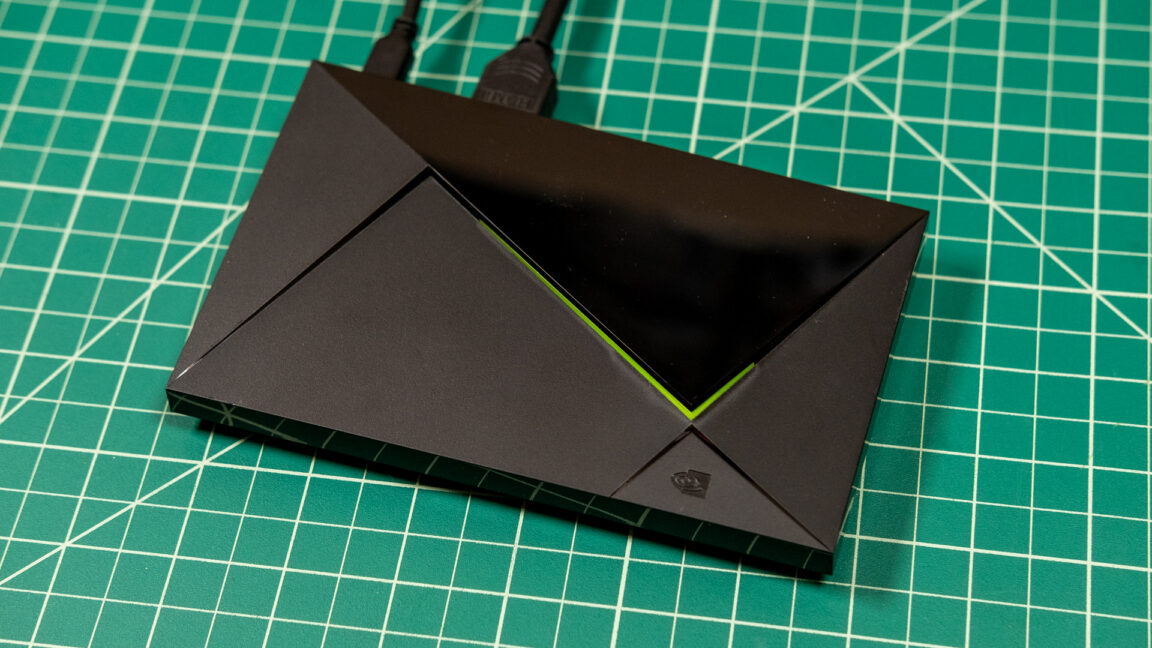
Nvidia has increased the price of its Shield TV Pro streaming box from $199.99 to $299.99, effective immediately. The company confirmed that the $100 price hike is a direct result of rising component costs driven by the global generative artificial intelligence boom. While the non-Pro variant originally priced at $149.99 has been discontinued, the premium Shield TV Pro remains in production despite its aging hardware.
First debuted in its current iteration in 2019, the Shield TV Pro runs on an older Tegra X1+ processor. Despite its age, the device remains popular for its robust hardware decoding, Plex server capabilities, and AI upscaling. Nvidia actively manufactures the streamer rather than selling off old inventory, leaving new units vulnerable to modern supply chain pressures. An Nvidia spokesperson stated that "the cost of components, including memory, has increased substantially across the industry," forcing the price adjustment.
This pricing shift highlights how AI-driven demand for memory and storage is impacting consumer electronics far beyond enterprise data centers. Nvidia itself is a primary driver of these rising costs due to its dominant position in the AI accelerator market. Other entertainment hardware has faced similar inflationary pressures; for instance, Sony's PS5 Pro has climbed from its 2024 launch price of $699.99 to $899.99 today.
For home theater enthusiasts and developers who rely on the Shield TV Pro as a high-end Android TV testing node or media hub, the $300 price tag significantly alters the value proposition. While the device is currently out of stock on Nvidia's official store, it can be purchased at the new $299.99 price point through Best Buy. Unless users specifically require its advanced codec support or local server capabilities, cheaper streaming alternatives may now be far more practical.
This is our own summary of reporting by Ars Technica AI