IBM debuts directed execution for quantum error control
IBM Quantum has launched a directed execution model that moves error mitigation to the client side, giving researchers unprecedented control over quantum hardware workflows.
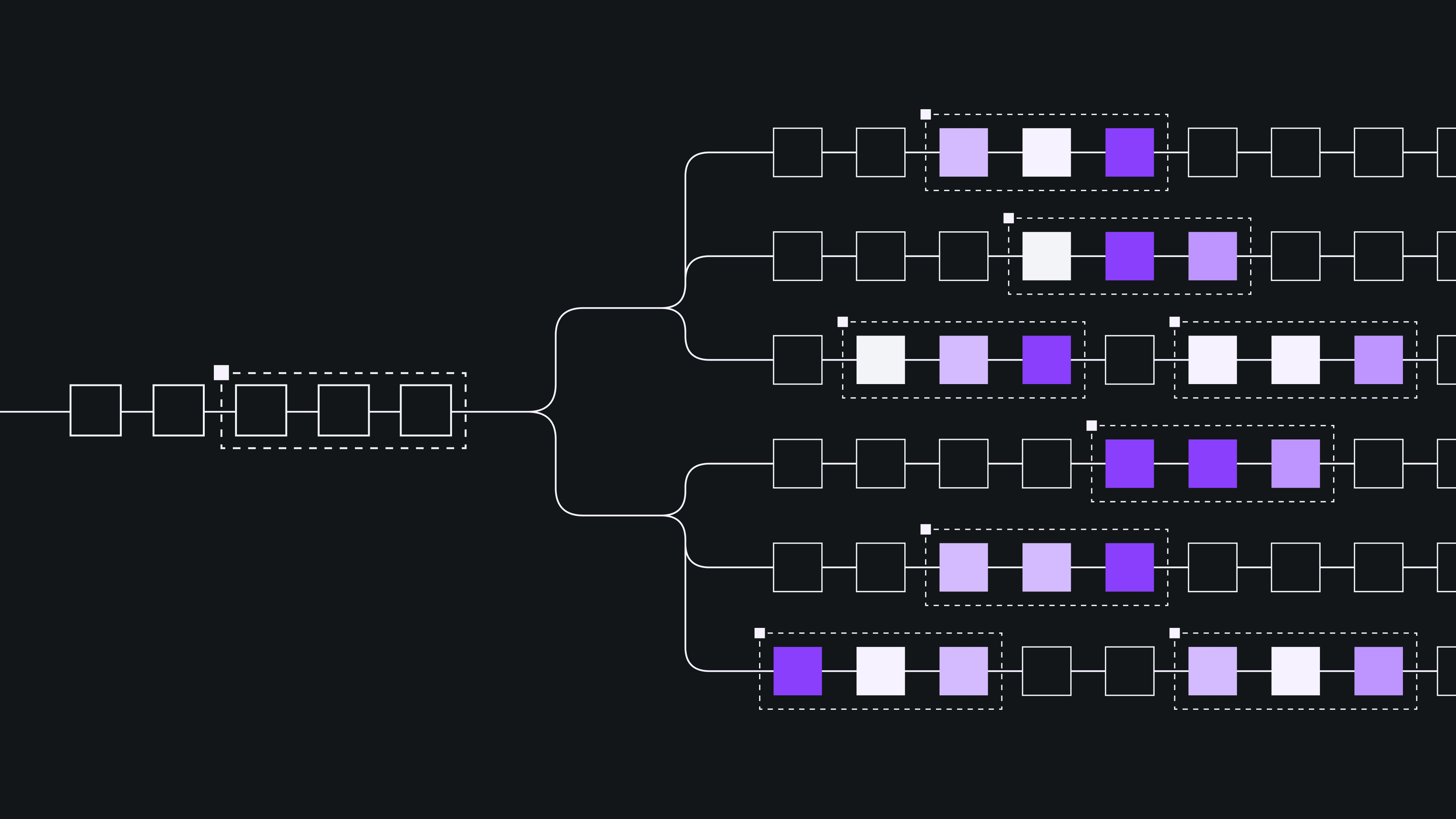
IBM Quantum has introduced a new directed execution model designed to give developers and researchers explicit, client-side control over the quantum error correction stack. Powered by a new low-level execution engine called the Executor primitive, this framework runs quantum circuits exactly as directed without sacrificing the performance of systems with more than 100 qubits. The release, packaged in qiskit-ibm-runtime version 0.50.0, shifts error mitigation routines that previously ran as a black box on IBM servers directly to the client side, allowing users to inspect, customize, and extend their workflows.
The architecture relies on several modular tools, starting with Qiskit SDK features like BoxOp instructions and annotations such as Twirl, InjectNoise, and ChangeBasis. An open-source library called Samplomatic processes these annotated circuits to generate a template circuit and a structured recipe called a samplex. The Executor primitive then processes these inputs, scaling to handle workloads of 5,000 randomizations or more. This client-side transparency also enhances local prototyping; for instance, users can test mitigation strategies on local simulators like FakeKingston, which models a 156-qubit device, before committing to physical hardware.
This level of control is already yielding significant benchmarks in quantum error research. In one study, researchers running distance-5 surface codes on the IBM Quantum Nighthawk system cut the logical error rate per round by up to 2.8x by routing around underperforming components. Additionally, combining probabilistic error cancellation with shaded lightcones cut sampling overhead by approximately 3.4x while maintaining comparable accuracy.
To support this ecosystem, IBM has made tools like Qiskit Noise Learning and Qiskit Mitigation available for building custom pipelines. For developers transitioning existing code, IBM released an open-source migration helper called migrate-qiskit-ibm-runtime version 0.1.0 in the Qiskit skills GitHub repository, which automates the transition to the new client-side Sampler and Estimator primitives.
This is our own summary of reporting by IBM Research AI