Meta tests physical AI robots in its data centers
Meta and other enterprises are testing physical AI systems to automate complex, variable tasks in data centers and factories, marking a shift from rigid robotics to adaptable machines.
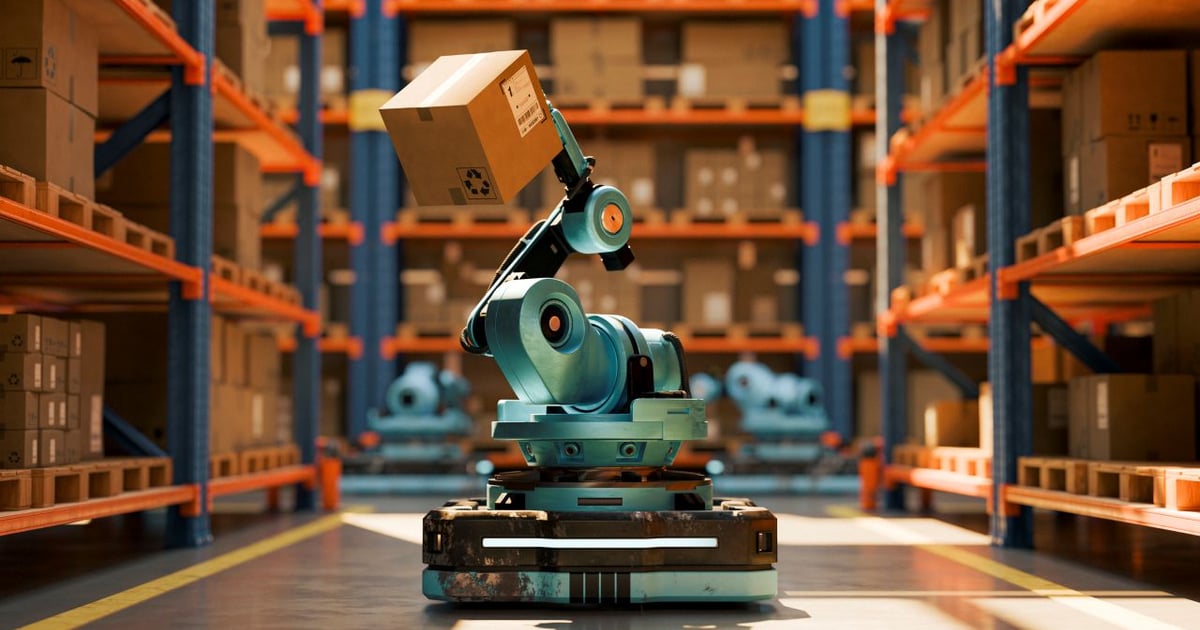
Meta is piloting physical AI systems to handle maintenance tasks inside its data centers, signaling a broader shift where robots move beyond preprogrammed industrial tasks. At its facility in Altoona, Iowa, Meta is testing dual-armed robots to swap network cables. Meanwhile, at its Prometheus facility in New Albany, Ohio, the company is testing robots from ABB Robotics to reseat hardware components and explore server power-cycling. Other companies are deploying similar technology, such as Nissan using autonomous mobile robots to transport parts in Smyrna, Tennessee, and DHL Supply Chain using Robust.AI systems to guide warehouse workers.
Unlike traditional robots that follow rigid instructions, physical AI utilizes computer vision, decision-making, and world models to adapt to changing environments. To ease deployment, providers are turning to virtual training. ABB Robotics uses its RobotStudio HyperReality simulation system to train robots using digital twins under varied lighting and material conditions. According to Gartner analyst Bill Ray, one complex manufacturing deployment required four months of simulation development but took only 36 hours to physically deploy with minimal disruption.
For enterprise practitioners, this shift changes how automation is integrated into workflows. Instead of programming precise movements, operators can define goals and let the robot determine the execution. However, significant hurdles remain. Anthony Jules of Robust.AI emphasizes that integrating these machines requires linking them to existing ERP systems and managing human workplace transitions. Furthermore, hardware limitations persist; Ray noted that keeping a delicate robotic fingertip operational for even three months is a major challenge. Practitioners must focus on adapting robots to existing processes rather than redesigning workflows around immature hardware.
This is our own summary of reporting by AI Business