Q5D CEO argues purpose-built robots outperform humanoids
Q5D chief executive Stephen Bennington warns that the hype surrounding humanoid robots is outpacing reality, urging manufacturers to prioritize specialized automation over human-like designs.
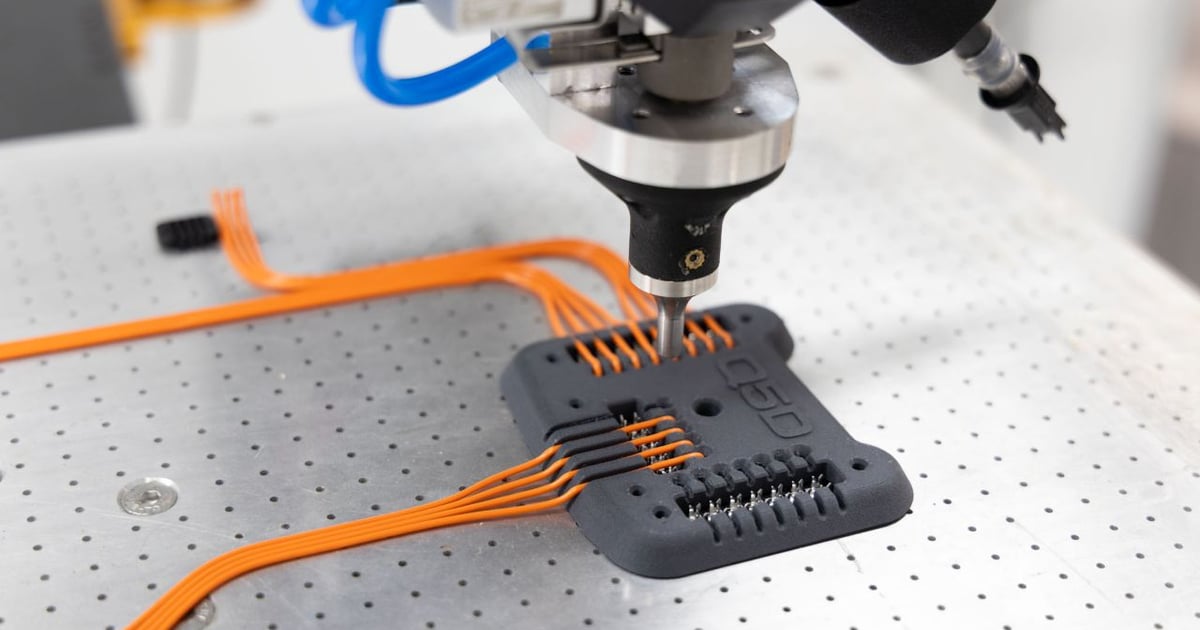
While humanoid robots dominate industry headlines, Stephen Bennington, the CEO of British robotics firm Q5D, argues that mimicking the human form is rarely the most efficient path to automation. For many industrial applications, specialized hardware can deliver superior speed, accuracy, and cost-efficiency. Q5D, which manufactures the Q25 5-axis wiring-automation robot, advocates for a process-first philosophy where manufacturers redesign tasks to suit machine capabilities rather than forcing robots to replicate human movements.
According to Bennington, seemingly simple human tasks like manipulating flexible wiring represent major bottlenecks for automation because pliable materials behave unpredictably. Instead of training a complex humanoid to mimic a human hand, Q5D's approach with the Q25 involves restructuring the manufacturing process itself. This reduces the need to constantly reprogram machines when product designs change. While artificial intelligence is accelerating traditional programming and helping general-purpose robots adapt to varied environments, it also enhances specialized machines by linking digital design data directly to physical execution.
For manufacturing practitioners, this shift means evaluating whether versatility or precision is the priority. While humanoids excel in environments built specifically for humans, they require massive amounts of training data and introduce safety challenges regarding predictable behavior near human workers. In contrast, combining purpose-built machinery with flexible software allows factories to handle shorter production runs and product variations without the high costs and safety liabilities of fully autonomous humanoids.
Bennington also points to China's rapid industrial robotics adoption, driven by a massive manufacturing base that creates a powerful feedback loop for testing and deployment. He warns Western manufacturers against focusing solely on sophisticated demonstrations. To remain competitive amid aging workforces and supply chain repatriation, Western companies must prioritize practical deployment and clear commercial returns over the aesthetic appeal of human-like machines.
This is our own summary of reporting by AI Business