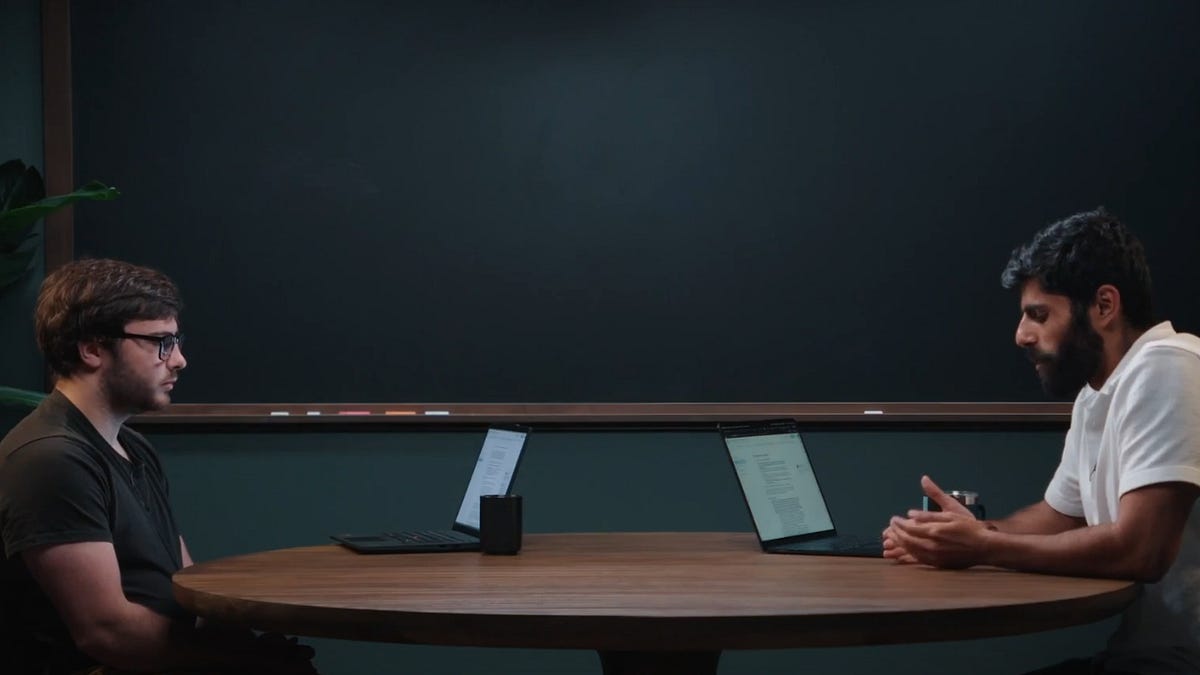
Joi AI Pays Masturbation Consultants to Test Chatbots
AI companion startup Joi AI paid participants $2,000 to test its erotic chatbots in a monthlong study, highlighting the growing intersection of generative AI and the sex-tech industry.

The AI companion platform Joi AI recently concluded a 28-day study involving ten paid "masturbation consultants" to evaluate how erotic self-stimulation works as an AI-guided wellness ritual. Chosen from a massive pool of over 150,000 applicants, the participants were tasked with masturbating daily except on Sundays, utilizing Joi AI's digital companions twice a week. Six of the ten selected consultants completed the monthlong project, with each finisher receiving a $2,000 payment for their qualitative feedback.
Joi AI offers users access to customizable digital characters, including those with explicit roleplay capabilities, for a minimum subscription of $3.99 per month. Users can purchase 10,000 "Joi neuron" coins for $99.99 to unlock private videos costing 1,000 neurons each, or buy virtual gifts like handbags and lipstick for up to $5 in platform currency. During the study, participants interacted with these virtual avatars through five-minute video calls, tracking their subsequent mood, focus, and cravings.
Before launching the experiment, Joi AI surveyed 2,500 adults, finding that 75 percent masturbate to relieve stress and 43 percent do so before major events. Additionally, 37 percent of respondents expressed openness to or already practiced AI-guided masturbation. Preliminary data from 134 session reports indicated that participants experienced a 25 percent reduction in stress and a 17 percent increase in focus. The study also claimed a 44 percent reduction in self-reported cravings for substances like nicotine and alcohol, as well as junk food and doomscrolling.
However, the study's methodology drew sharp criticism from the scientific community. Neuroscientist Nicole Prause pointed out that the research relied entirely on subjective self-reporting without objective cognitive tests, calling the addiction-reduction claims "a gross overstatement" from the available evidence. Sex-tech researcher Chloé Locatelli, who participated in the study, also expressed caution, warning that highly personalized AI companions could become a problematic crutch if they replace real-world sexual exploration.
This is our own summary of reporting by WIRED AI