a16z report reveals only 2% of firms disclose AI metrics
A new market report from venture capital firm a16z reveals that while tech giants pour billions into AI infrastructure, only two percent of S&P 500 companies disclose tracked AI metrics.
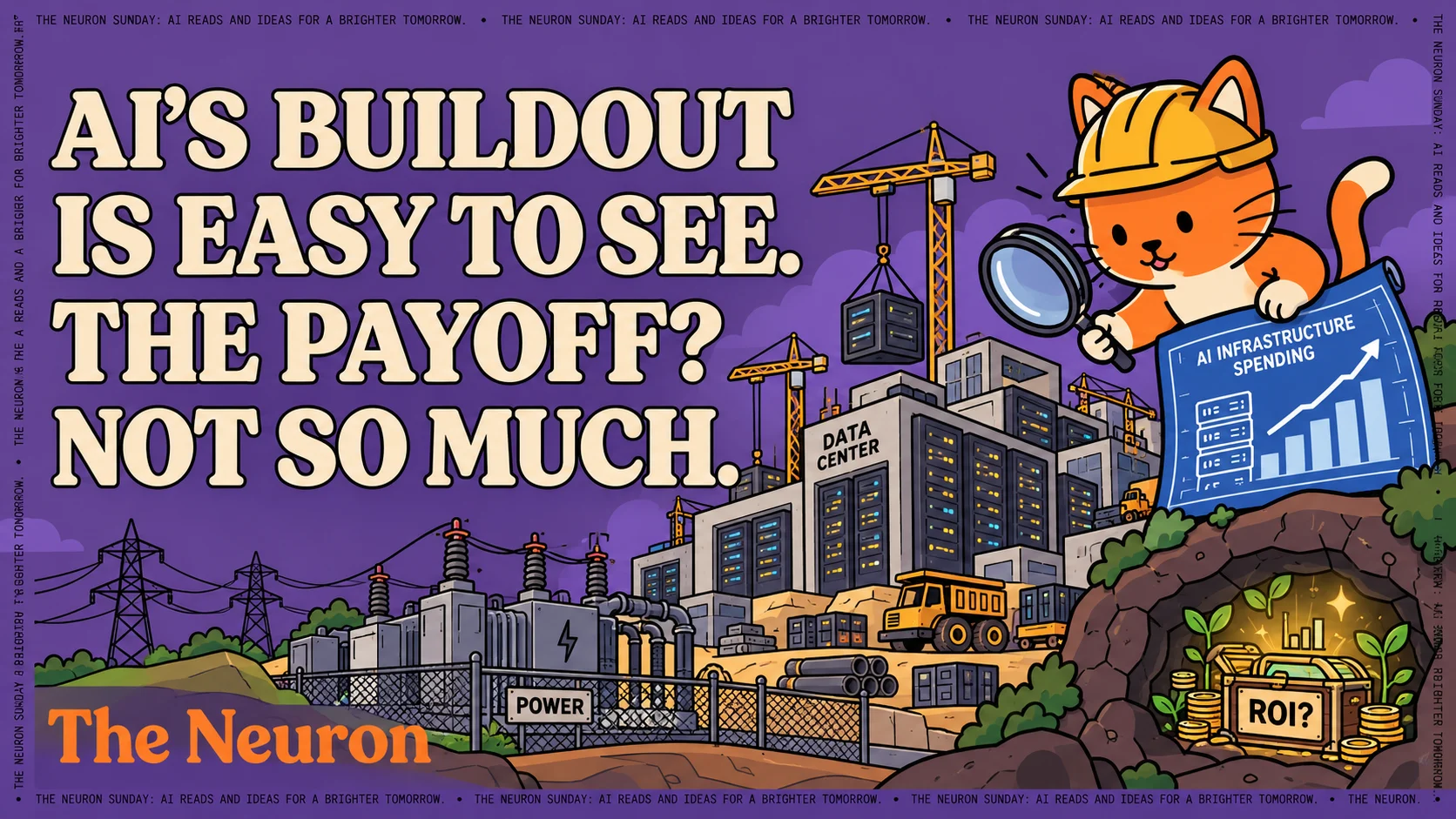
According to a new market report from venture capital firm Andreessen Horowitz, also known as a16z, there is a massive gap between corporate AI hype and measurable results. While nearly 30 percent of S&P 500 companies reported a "quantifiable impact" from their artificial intelligence initiatives, a mere 2 percent actually disclosed a specific metric they track over time. This lack of transparency makes it difficult for outside observers to determine whether these corporate AI gains are sustainable or merely temporary.
This lack of disclosure comes amid unprecedented capital spending by tech giants building out AI infrastructure. The report notes that Alphabet, Amazon, Meta, Microsoft, and Oracle collectively spent $416 billion on capital investments in 2025. Analysts estimated in July that this spending will surge to $777 billion in 2026 and is forecast to reach $1.1 trillion by 2027. This massive investment has driven major cloud providers' revenue backlogs to more than double year over year, while tech accounted for roughly 76 percent of S&P 500 earnings growth through late August of 2026.
The demand for computing power remains so intense that rental prices for Nvidia's older A100 chips remained at or above their start-of-year levels, defying the typical price drops associated with newer hardware releases. However, actual consumer adoption remains low, with only about 2.2 percent of U.S. households paying for AI services as of April.
Meanwhile, traditional software companies are facing growth challenges. While approximately 75 percent of public software firms were profitable, only about 30 percent achieved growth rates of 20 percent or more. Looking ahead, a16z suggests that the next wave of AI demand will shift from pure software to physical and scientific sectors, specifically predicting that robotics, biotechnology, and healthcare will drive future investment.
This is our own summary of reporting by The Neuron